


When a couple faces difficulties in conceiving, doctors often recommend certain tests to understand the reason behind infertility. One such important diagnostic test is the HSG test, also known as Hysterosalpingography. It is a simple yet highly effective procedure that helps doctors check if the fallopian tubes are open and if the uterus is healthy enough to support pregnancy. For many women, this test becomes the first step towards identifying the possible cause of infertility and planning the right treatment.

In cities like Srinagar, where advanced medical care is growing steadily, the HSG test has become a common and accessible option for couples struggling with fertility issues. People often search for information not only about the procedure but also about the HSG test cost in Srinagar, because cost plays a major role in planning fertility treatments. While the test itself is generally affordable compared to other advanced procedures, the price may vary depending on factors such as the hospital, the experience of the doctor, and the facilities provided.
Understanding the HSG test, its process, benefits, and expenses is very important before undergoing it. For couples in Srinagar, having a clear idea of how much it costs and what to expect from the procedure can reduce stress and help them feel more confident in their fertility journey. In this article, we will discuss everything about the HSG test cost in Srinagar, the procedure, its importance, factors that affect pricing, and useful tips for couples preparing for the test.
What is an HSG Test?
An HSG test, or Hysterosalpingography, is a special type of X-ray procedure used in the field of fertility and gynecology. It is mainly done to check the shape and health of a woman’s uterus and to see if her fallopian tubes are open or blocked. Doctors usually recommend this test for women who are facing difficulties in conceiving, as blocked tubes or uterine problems are common reasons behind infertility.
During the test, a contrast dye is gently introduced into the uterus through the cervix, and X-ray images are taken. The dye flows through the uterus and fallopian tubes, making it visible on the X-ray whether the tubes are open or blocked. This gives doctors a clear picture of the reproductive system.
The HSG test is usually performed after menstruation but before ovulation (between day 7 and day 12 of the menstrual cycle). This ensures that the patient is not pregnant during the test. While some women may feel mild discomfort or cramping during the procedure, it usually lasts only about 10–15 minutes.
For women in places like Srinagar, the HSG test is an important diagnostic step in fertility treatment. It helps doctors decide the right treatment plan whether the woman can try naturally, go for IUI, IVF, or needs another medical procedure.
Why is the HSG Test Done?
The HSG (Hysterosalpingography) test is usually recommended for women who are struggling to conceive or facing difficulties in their fertility journey. It helps doctors check whether the fallopian tubes are open and the uterine cavity is normal. Since blocked fallopian tubes are one of the major causes of infertility, the HSG test plays a vital role in identifying such problems early.
Doctors may also suggest this test if a woman has had multiple miscarriages, irregular menstrual cycles, pelvic infections in the past, or a history of pelvic surgeries. By conducting the HSG test, specialists can determine whether issues like fibroids, scar tissue, or abnormalities inside the uterus are affecting a woman’s ability to conceive.
In simple words, the HSG test works like a map for doctors, giving them a clear picture of the reproductive system. Once the problem is identified, they can suggest the right treatment options such as medication, surgery, or assisted reproductive techniques like IVF.
Thus, the HSG test is done not only to diagnose infertility causes but also to guide couples towards the best treatment plan, bringing them one step closer to achieving pregnancy.
Importance of the HSG Test in Fertility Treatment
The Hysterosalpingography (HSG) test plays a very important role in fertility treatment. For couples who have been trying to conceive without success, the HSG test helps doctors identify possible reasons behind infertility. It is considered one of the first steps before moving towards advanced treatments like IUI or IVF.
The test shows whether the fallopian tubes are blocked or open, which is crucial for natural conception. If the tubes are blocked, the sperm cannot meet the egg, and pregnancy cannot occur. By identifying this problem early, doctors can decide whether surgery, medication, or assisted reproductive techniques are needed.
Apart from checking the tubes, the HSG test also highlights if there are abnormalities in the uterus such as polyps, fibroids, or scar tissue, which can prevent the embryo from implanting successfully. Detecting these conditions at the right time allows doctors to treat them and improve the chances of pregnancy.
Another important point is that sometimes, the process of flushing dye through the fallopian tubes during the HSG test can help clear minor blockages. This may naturally increase the chances of conception for some women soon after the test.
In simple terms, the HSG test acts like a roadmap for fertility specialists. It gives them a clear understanding of the reproductive organs and helps them create the most effective treatment plan. For couples in Srinagar and elsewhere, this test often becomes a key milestone in their journey towards parenthood.
HSG Test Cost in Srinagar

The cost of an HSG (Hysterosalpingography) test in Srinagar usually ranges between INR 3,000 to INR 7,000, depending on the hospital, diagnostic center, and the type of facilities offered. Private hospitals and fertility clinics may charge slightly higher because they provide advanced imaging equipment and specialized fertility care, while government hospitals may offer the test at a comparatively lower price. The cost may also vary if additional consultations, medicines, or follow-up scans are included.
It is important to note that the price is not just for the X-ray procedure, but also covers aspects like the use of contrast dye, radiologist’s fee, and sometimes doctor consultation. Patients should always confirm the charges beforehand as every center in Srinagar may have its own package. While the HSG test may feel like an added expense during fertility treatment, it is a very important diagnostic step that saves time, effort, and unnecessary treatments by providing a clear picture of the fallopian tubes and uterus.
For couples planning fertility treatments in Srinagar, knowing the approximate cost of the HSG test helps in financial planning. Choosing a reliable clinic with experienced doctors is always better than going for the cheapest option because accuracy in results matters more than just saving money.
Factors Affecting HSG Test Cost in Srinagar
The cost of an HSG test in Srinagar is not the same everywhere. It can change depending on different factors. Knowing these factors can help you plan your treatment and avoid surprises. Some of the main factors are:
1. Type of Hospital or Clinic
If you choose a private fertility clinic or a well-known hospital, the cost may be higher compared to a government hospital or a small diagnostic center. This is because private clinics usually provide advanced facilities, better comfort, and more personalized care.
2. Doctor’s Experience
The expertise of the gynecologist or fertility specialist performing the test also affects the cost. A highly experienced doctor may charge a bit more, but their knowledge and skill often ensure a safer and more accurate procedure.
3. Diagnostic Facilities
Some clinics use advanced X-ray machines, digital imaging, and modern equipment, which may increase the price. However, this also improves the quality of results and reduces discomfort during the test.
4. Additional Medicines and Injections
Sometimes, medicines like antibiotics or painkillers are prescribed before or after the test to avoid infection or reduce cramps. These extra medications can add to the overall cost.
5. Sedation or Anesthesia (if needed)
In most cases, the HSG test is done without anesthesia. But for women who have severe pain or anxiety, sedation may be given. This requires extra facilities and charges, which can raise the cost.
6. Location of the Clinic
Hospitals located in the main city areas of Srinagar might charge more compared to clinics in outer or suburban areas, because of higher operating expenses.
7. Additional Tests or Packages
Sometimes, doctors suggest other fertility tests along with HSG, such as blood tests or ultrasound. If taken as a package, the cost may be higher than just doing the HSG test alone.
Preparation Before the HSG Test
Getting ready for the HSG (Hysterosalpingography) test is important to ensure smooth results and avoid complications. Doctors usually give clear instructions before the test, but here are some common preparations:
- Timing of the Test
The HSG test is usually scheduled after menstruation but before ovulation (around day 7 to day 10 of your cycle). This timing ensures that you are not pregnant during the test and also gives a clear view of the uterus and fallopian tubes. - Medication Before the Test
Some doctors may prescribe pain relievers or antibiotics before the procedure. Pain relievers help reduce discomfort during the test, while antibiotics prevent any risk of infection. - Empty Stomach or Not?
Most of the time, you do not need to fast for an HSG test. However, some clinics may ask you to avoid eating a few hours before the procedure, especially if sedation is planned. - Personal Hygiene
Keeping yourself clean is essential. You may be asked to avoid using tampons, vaginal creams, or douches before the test. - Clothing
Wear loose and comfortable clothing on the day of the test. You might be given a hospital gown during the procedure. - Mental Preparation
Many women feel nervous about the discomfort. Knowing that the procedure usually takes only 10–15 minutes and that any pain is temporary can help you stay calm.
In short, proper preparation helps make the HSG test in Srinagar safe, quick, and effective, ensuring the best possible outcome for fertility evaluation.
What to Expect After the HSG Test
After undergoing an HSG (Hysterosalpingography) test, many women feel a mix of relief and curiosity about the results. It’s important to know what you might experience once the procedure is done, so that you don’t feel anxious or unprepared. Here’s what you can generally expect after the HSG test:
1. Mild Discomfort or Cramping
Some women may feel mild cramping or discomfort in the lower abdomen for a few hours after the test. This is similar to period pain and usually goes away on its own. Taking a pain reliever, as suggested by your doctor, can help ease this.
2. Light Vaginal Spotting
It’s common to notice light bleeding or spotting for a day or two after the HSG test. This happens because of the insertion of instruments and the dye used during the procedure. Using a sanitary pad instead of a tampon is usually recommended.
3. Temporary Vaginal Discharge
You may notice some vaginal discharge, especially as the contrast dye comes out of your body. The discharge might be slightly sticky and tinted, which is completely normal.
4. Rest and Recovery
Although most women can resume their normal activities on the same day, doctors often advise taking rest for a few hours after the test. Avoiding heavy physical activity for the day is a good idea.
5. Signs to Watch Out For
While mild pain and spotting are normal, you should contact your doctor immediately if you experience severe abdominal pain, heavy bleeding, fever, foul-smelling discharge, or dizziness. These could be signs of infection or complications that need medical attention.
6. Emotional Response
Since the HSG test is directly related to fertility evaluation, many women may feel emotionally sensitive while waiting for the results. It’s natural to feel anxious, but remember that the test is only a diagnostic step toward finding solutions.
Who Should Consider the HSG Test?
The HSG test is usually suggested to women who are facing challenges in conceiving naturally. If you and your partner have been trying for a baby for more than a year without success, your doctor may recommend this test. It is especially helpful for women who:
- Have had repeated miscarriages.
- Have irregular periods or painful menstrual cycles.
- Have a history of pelvic infections or sexually transmitted diseases.
- Have undergone surgery on the uterus or fallopian tubes.
- Are planning fertility treatments like IVF or IUI, where knowing the condition of the tubes is essential.
By identifying whether the tubes are blocked or open, the doctor can plan the right treatment for you.
Success Rate of HSG Test in Detecting Problems
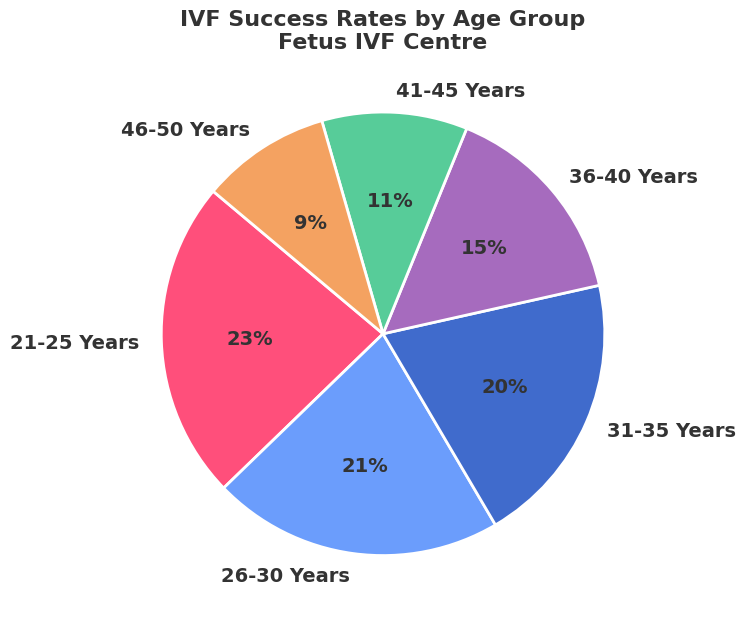
The HSG test is known to be a very effective diagnostic tool. In most cases, it gives clear and accurate results about the shape of the uterus and the condition of the fallopian tubes. Studies show that the HSG test can detect blockages in tubes with an accuracy of more than 80–90%.
Sometimes, a minor blockage can even be cleared during the test itself, which may increase the chances of pregnancy. However, for more detailed results, your doctor may suggest additional tests like laparoscopy.
Why trust Fetus IVF Centre?
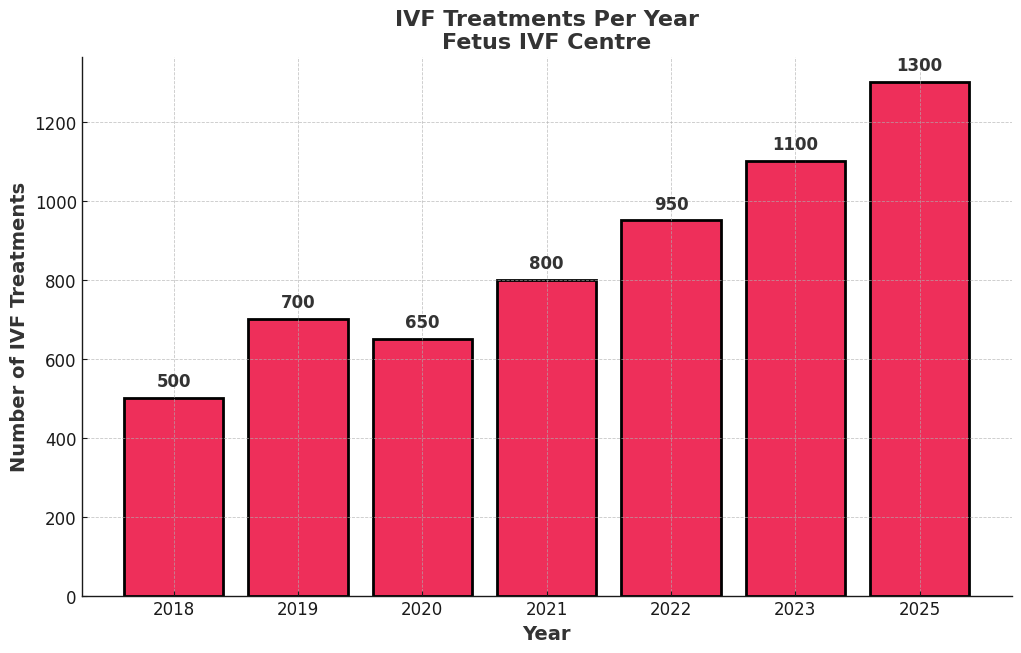
When it comes to resolving the condition of infertility, trusting Fetus IVF Centre srinagar could be one of the best choices. Our fertility providing centre helps you to grow your family with the help of science that combines love and care, unlocking your dream of becoming a mom and dad. Our centre understands the problem of infertility that’s why always ready to take a stand for infertile individuals.
Each infertile couple is important to us, we acknowledge their condition and come up with fruitful solutions to make the dream of parenthood a reality. We have a dedicated and hardworking team of fertility practitioners that includes IVF specialists, gynaecologists, embryologists, obstetricians and nurses or other staff. Our team fully support you on the road to fertility.
Several factors define why you should use the best HSG centre in srinagar which is the Fetus IVF Centre. The reasons include the variety of infertility solutions, expert guidance and sky-high success rates. Our services include IVF, IUI, Frozen embryo transfer, ovum donation, semen donation, laparoscopy services, blastocyst culture, ICSI, PGD, male infertility, etc.
Last, but the most essential thing, our infertility solutions are available in srinagar at a pocket-friendly budget. It’s because we want our services available to everyone. So don’t take too much time with your infertility, visit us or contact us via info@fetusivf.com or 9046141940 and cure your infertility in minimum time with the right centre and doctors.
Conclusion
The HSG test is an important step in the fertility journey, especially for couples in Srinagar who are struggling to conceive. It is a safe and reliable procedure that helps doctors understand the condition of the fallopian tubes and uterus, which are crucial for a healthy pregnancy.
The HSG test cost in Srinagar is affordable compared to other fertility tests, and its benefits are significant in guiding the right treatment plan. If you are facing difficulties in conceiving, this test can bring you closer to finding the reason and moving towards parenthood with the right solution.
FAQs (Frequently Asked Questions)
Q1. Is the HSG test painful?
The test may cause mild discomfort or cramping, similar to period pain, but it usually goes away within a short time.
Q2. How long does the HSG test take?
The procedure itself takes about 15–30 minutes.
Q3. Can I go home the same day after the HSG test?
Yes, it is an outpatient procedure, and you can return home the same day.
Q4. Does the HSG test improve fertility?
In some cases, if there are minor blockages, the dye used in the test may clear them, improving chances of conception.
Q5. When is the best time to get the HSG test done?
It is usually done after your menstrual period ends but before ovulation, generally between day 7 to day 10 of the cycle.
Read More:-
- IVF Cost in Siliguri 2025 – Affordable Treatment & Best Clinics
- Surrogacy Cost in Siliguri 2025 – Affordable & Legal Options for Parenthood
- Best IVF Centre in Siliguri: Trusted Fertility Experts & Transparent Pricing
- IVF Success Rate in Siliguri – Success Factors, Cost & Best Centre
- Best Surrogacy Centre in Siliguri | Affordable, Legal & Transparent